AI marketing · Expert interview
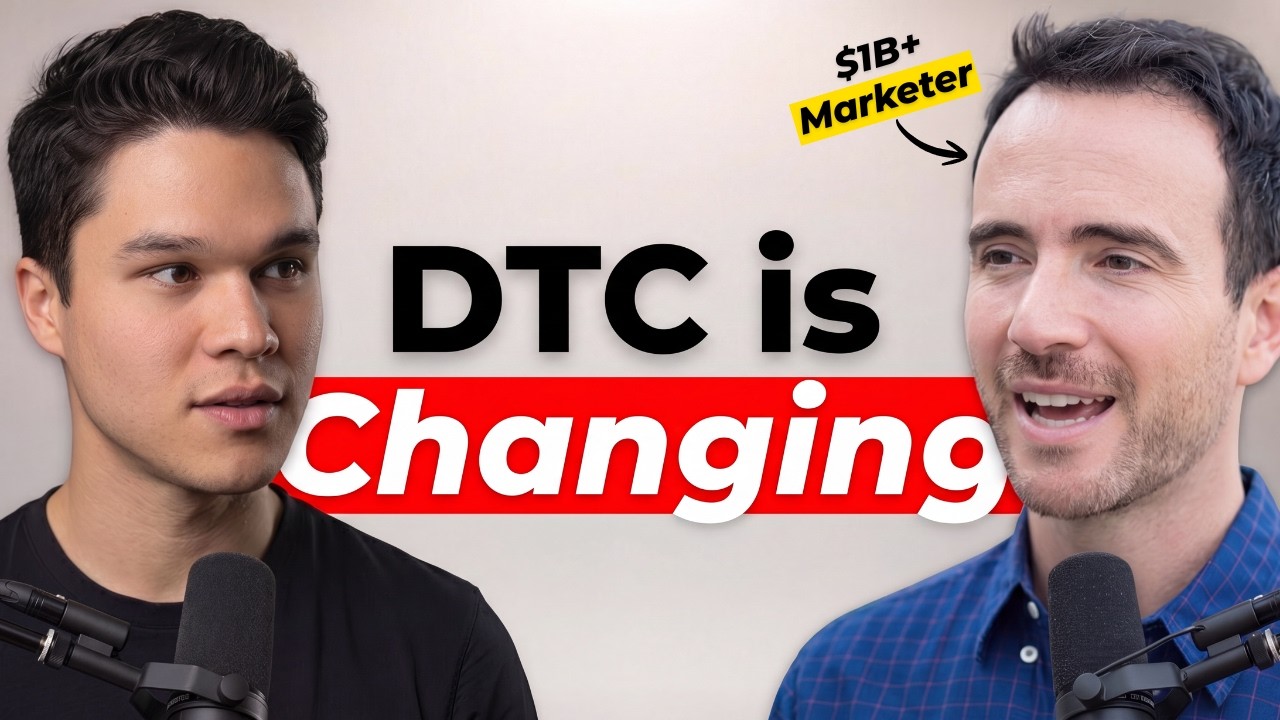
Will AI replace marketing teams? Stefan Georgi explains
A practical look at how AI is changing DTC ads, creative work, marketing roles, and the value of human trust.
Quick answer
Will AI replace marketing teams?
AI will replace more marketing tasks, but it is less likely to remove every marketing team. It can help with research, ad drafts, creative versions, page reviews, and routine production. People still need to choose the offer, understand the customer, set direction, approve claims, and build trust. The likely result is a smaller or reshaped team that directs AI systems.
Key takeaways
- AI can take over more research, drafting, production, and testing tasks.
- DTC teams still need strong products, offers, customer insight, and quality control.
- Marketing roles may become broader as people learn to direct connected AI systems.
- Founder trust, community, and real experiences become more useful as content grows.
- Fast AI prototypes need stronger testing and coordination when customer use increases.
Who is Stefan Georgi?
Stefan Georgi is a direct-response copywriter and marketing entrepreneur. His view comes from building campaigns, teams, and marketing products. It is still one expert's forecast, not a guarantee about how every marketing role will change.
Interview chapters
Will AI replace marketing teams?
In my conversation with Stefan Georgi, his answer was more useful than a simple yes or no. AI is likely to take over more marketing tasks. People will move toward direction, review, customer insight, and decisions.
A creative strategist may need to understand the whole path from ad to sale. AI can write more drafts, create more versions, and help find what to test next. A person still needs to connect the audience, offer, message, page, and business result.
This does not mean every task belongs to one generalist. Georgi noted that a creative strategist and a chief marketing officer still have different jobs. One may focus on ads and conversion. The other owns wider strategy, people, budgets, and company results.
For owners, the lesson is to redesign work before cutting roles. Start by sorting routine tasks from work that needs judgment or full ownership. Our guide to AI automation vs hiring shows how to make that choice.
What is the new DTC playbook for the AI era?
DTC means direct-to-consumer. These brands sell straight to customers instead of relying only on stores or other sellers. Georgi's basic playbook still starts with a good product, a clear offer, and a useful product or landing page.
What changes is the speed of creative testing. AI can help a team produce static ads, long-form copy, short videos, user-style clips, and new hooks much faster. The team can test more ideas, study the results, and improve the next round.
The advantage does not come from making the most content. It comes from finding better ideas and learning faster. A weak product, unclear offer, or poor customer promise will not become strong because AI created more ads for it.
Georgi also expects DTC brands to build wider customer ecosystems. Education, community, events, support, and useful paid services can add more value after the first sale. These human touchpoints can improve trust and give customers a reason to stay.
What is agentic AI marketing?
Agentic AI marketing links several AI tools and steps into one process. Instead of asking one chatbot for one ad, the system can use the same context for research, ideas, page reviews, media plans, and tests.
Georgi described a long-term goal of connecting much of the direct-to-consumer marketing process. His platform is built around marketing knowledge collected through years of reviews, training, and client work. The value is not only the model. It is the context, rules, examples, and process around the model.
This distinction matters for small businesses. A general AI tool starts with limited knowledge of your customer, offer, and past results. A useful system should receive that context before it is trusted with important work.
| Marketing task | AI can help with | People should own |
|---|---|---|
| Research | Sorting reviews, notes, and common themes | Choosing which customer problem matters |
| Creative work | Drafting hooks, scripts, images, and variants | Setting the idea, promise, and brand standard |
| Conversion review | Finding possible page issues and test ideas | Approving claims and judging business impact |
| Production | Preparing repeatable assets and reports | Checking quality and handling unusual cases |
| Customer experience | Supporting routine questions and follow-up | Building trust and solving sensitive problems |
Why could trust and community matter more in an AI market?
AI makes it easier to produce ads, articles, images, and new offers. As that supply grows, polished content alone becomes less rare. Customers can see many similar messages from brands they do not know.
Georgi expects founder-led brands, communities, live events, and other real experiences to become more important. These touchpoints give customers a person, story, and group they can connect with. They also make the brand harder to copy with a prompt.
This does not mean every owner must become an influencer. The business should show real skill and let customers reach real people. Useful lessons, honest product help, good support, and small events can all build trust.
The same idea applies to content systems. AI can help turn one source into several useful formats, including an Instagram carousel workflow. A person should still choose the lesson, check the facts, and make sure the result sounds like the brand.
Why does an AI prototype get harder as more people use it?
One of the most useful parts of the interview was Georgi's candid view of building AI software. A small team can quickly create and ship features while only a few people use the product. That speed can help test whether customers care.
The rules change when more customers depend on the tool. A small update can affect other parts of the system. Bugs become more costly, and users expect the product to work the same way each time. The team needs testing, planned releases, clear ownership, and better coordination.
This is the line between an AI demo and a reliable business system. Fast building can test demand. A stable product needs good code, testing, support, and a clear plan for failures.
The same warning applies when using AI inside your company. Do not move an untested workflow into important customer work. Start with a low-risk task, keep human approval, and watch how the system handles unusual cases.
How should a business think about AI cost and model choice?
AI tools can cost a lot when many people create long outputs. Georgi discussed usage costs and caching, which lets a system reuse some work. He also spoke about using lower-cost models for simple tasks.
The best model is not always the newest model. A small business should match the tool to the task. A basic draft, summary, or classification may work well with a lower-cost model. Complex code, analysis, or high-risk decisions may need stronger tools and more review.
Measure the full result. Include software, setup, staff time, review, errors, and the value created. A cheap output that needs heavy repair may cost more than a better first draft. A powerful model used for every simple task may also waste money.
What should small business owners do now?
- Choose one marketing workflow. Start with a repeated task such as content drafting, lead follow-up, ad review, or weekly reporting.
- Write down the current process. Record the inputs, steps, tools, owner, review points, and expected result.
- Give AI useful context. Include your audience, offer, brand voice, approved examples, facts, and rules.
- Keep human approval. Check claims, tone, customer promises, links, prices, and any sensitive information.
- Test with real work. Compare time, quality, cost, and errors against the old process.
- Build trust outside the tool. Strengthen customer support, founder visibility, useful education, community, or live experiences.
- Expand only after the test is stable. Document what works before adding more users or more steps.
The goal is not to use AI everywhere. The goal is to create a better customer result with less waste. That requires both better systems and better judgment.
A practical starting point is an AI workflow audit. It can show whether the fastest gain is in lead follow-up, reporting, content production, or another repeated process.
Frequently asked questions
Will AI replace marketing teams?
AI is more likely to change marketing teams than remove them at once. Software can handle more research, drafts, testing, and production. People are still needed to set direction, check quality, understand customers, and protect the brand.
What is agentic AI marketing?
Agentic AI marketing links several AI tools and steps into one process. The system may study an audience, suggest ideas, draft ads, review a page, and plan tests. A person still sets the goals and approves key choices.
Why will brand trust matter more as AI grows?
AI makes it easier to produce more content and launch more offers. That also makes generic work easier to ignore. A known founder, real community, clear values, and useful customer experiences help a brand feel trustworthy and distinct.
Can a small business use AI marketing without building custom software?
Yes. A small business can start with one repeated workflow inside tools it already uses. The goal is to improve a real task, such as content drafting, lead follow-up, or reporting, before investing in a larger custom system.
What should humans still control in an AI marketing workflow?
People should control the goal, offer, brand voice, customer promise, and final sign-off. They should also check any risky claim. Human review matters when the work involves emotions, private data, hard choices, or a key customer.
Sources and further reading
Find one marketing workflow worth improving.
Bring one repeated process to a 30-minute workflow audit. We will map the work and identify where AI can help without weakening quality or customer trust.
Book a workflow audit